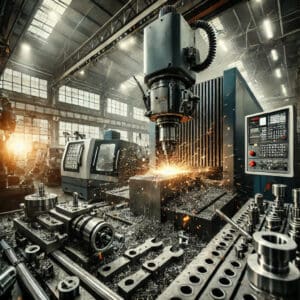
CNC machining is one of the core processes in modern industrial manufacturing, enabling precise, fast, and efficient production of parts and products across various industries. This process includes cutting, drilling, grinding, and material removal from different raw materials using precise tools operated by computer-controlled machines. One of the most influential factors affecting the final quality in CNC machining is selecting the appropriate tools for the process. The chosen tools must be suited to both the material being machined and the complexity of the task at hand, while also balancing tool costs, tool life, and process efficiency.
The decision on which tool to use involves understanding many parameters. It’s important to consider the working conditions and the desired final product. Using inappropriate tools can lead to accelerated tool wear, inaccurate cutting, and even damage to the material being processed. This article will explore the key considerations when selecting tools for cutting and removal in CNC machining, providing insights on how the right choice can improve efficiency and quality in manufacturing processes.
Material Type
One of the most important factors when selecting a cutting tool for CNC machining is the type of material to be processed. Each material has different properties, such as hardness, heat resistance, and wear resistance. Common materials in CNC machining include:
- Soft metals, such as aluminum and copper, require tools suited for cutting materials with lower resistance.
- Hard metals, such as steel and stainless steel, need reinforced tools coated with heat-resistant materials.
- Composite and plastic materials require specialized tools to ensure precise cutting and to prevent distortion.
It is essential to choose a tool made from materials that can withstand the processing conditions of the material being machined while considering the tool’s durability over time.
Tool Type and Function Suitability
The CNC machining process includes various types of tools used for cutting and removal, each suitable for specific tasks. The main tool types include:
- Rotating cutting tools (drills and lathes): These are standard tools used for precise drilling and turning.
- Flat cutting tools (planers): These are suitable for removing thin layers and leveling surfaces.
- Sharp-angled tools (cones): These are used for angled cuts and offer flexibility when working on complex shapes.
Selecting the right tool type is crucial to ensuring accurate cutting and long-lasting durability.
Cutting and Rotation Speed
Cutting and rotation speed are key parameters in CNC machining. Different tools require different rotation speeds to deliver optimal results. If the speed is too high, there is a risk of damaging the cutting quality and causing excessive tool wear. Too low of a speed can lead to longer processing times and reduced efficiency.
To achieve the right balance, it is necessary to consider the material properties, tool dimensions, and the technical specifications of the CNC machine.
Coatings and Protective Layers
Coating layers play a crucial role in selecting CNC machining tools as they enhance the tool’s resistance to heat, wear, and corrosion. There are various types of coatings that serve different purposes, including:
- Titanium Nitride (TiN) coating: This durable layer provides protection to the tool and reduces friction during operation.
- Aluminum Oxide (Al₂O₃) coating: Suitable for high-temperature use, especially when machining hard metals.
Choosing the right coating for the tool can extend its lifespan and improve the overall efficiency of the process.
Accuracy Requirements
CNC tools must meet high accuracy standards, particularly when machining complex technical parts. Tools manufactured with precision technologies allow cutting at micron-level precision, making them ideal for producing critical industrial components.
In cases where maximum precision is required, it is important to select tools with high manufacturing quality and ensure the machine itself can support these specifications.
Tool Life and Operating Costs
Tool lifespan is a significant consideration when selecting CNC tools. The cost of the tools themselves can be considerable, so it is important to consider not only the purchase price but also the cost of maintenance and replacement. Tools with longer lifespans can reduce the overall project cost, especially in continuous machining or large-scale industrial projects.
Additionally, high-durability tools save time and resources by reducing the need for frequent replacements.
Cooling Systems and Their Impact on Tools
During the CNC machining process, cutting tools heat up due to friction with the material. Using efficient cooling systems, such as cooling fluids or compressed air, helps extend the life of the tools and maintain cutting quality. Tools that are resistant to high temperatures and designed for use in environments with cooling fluids will ensure optimal results even under intense machining conditions.
Technological Support and Future Upgrades
The advancement of CNC machining technologies never stops, and new and improved tools continue to enter the market. When selecting tools for CNC machining, it is also important to consider the potential for future upgrades and the tool’s compatibility with new technologies. Choosing modular tools that can be adapted to software or hardware updates can offer greater flexibility in operations and ensure that the system remains relevant over time.
Conclusion
Selecting cutting and removal tools for CNC machining is a complex process that requires consideration of a wide range of factors. From the type of material being machined, through the cutting and rotation speed, to the tool’s lifespan and cooling systems—each consideration can significantly impact the entire machining process. Investing in the right tools will not only achieve precise results but also keep operating costs low and improve the efficiency of any industrial project.



 Back to news