


News
 Back to news
Advantages and Disadvantages of Pogo Pin Connectors: A Comprehensive Analysis
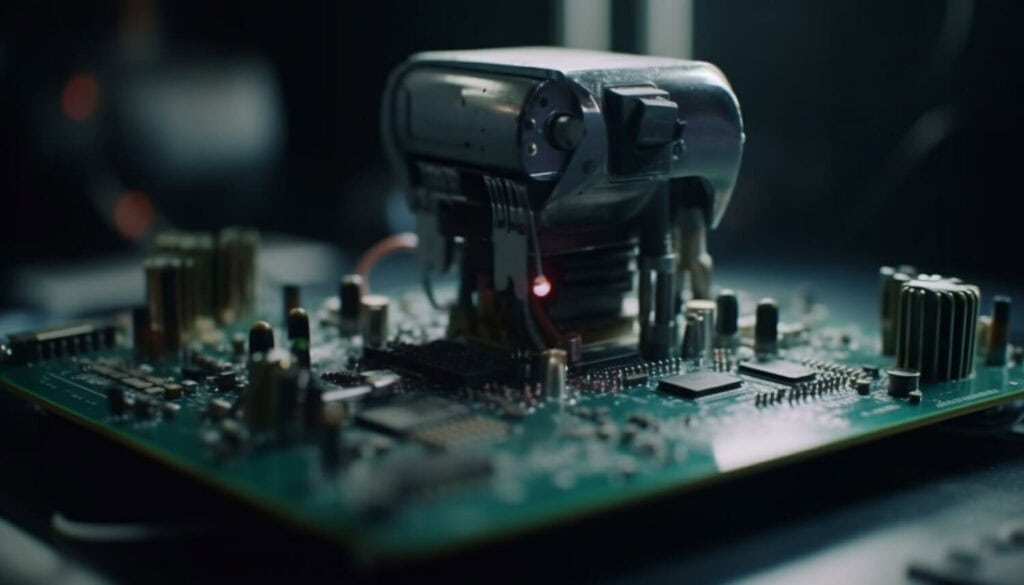
Pogo pin connectors have become an essential component in modern electronics, providing a reliable and efficient solution for making temporary or semi-permanent electrical connections.
These spring-loaded connectors are widely used in various applications, including consumer electronics, medical devices, industrial equipment, and test instrumentation. Their unique design allows them to maintain consistent electrical contact while withstanding repeated cycles of connection and disconnection.
While pogo pin connectors offer numerous advantages, they also have certain limitations that must be considered when selecting them for a specific application. This article provides a comprehensive analysis of the benefits and drawbacks of pogo pin connectors, helping engineers and manufacturers make informed decisions about their implementation.
Understanding Pogo Pin Connectors
Pogo pin connectors are composed of three main elements:
- Plunger – The moving part that establishes contact with the mating surface. It is typically made of highly conductive materials such as gold-plated brass to ensure minimal resistance.
- Spring – Provides the necessary force to maintain consistent contact pressure and compensate for minor misalignments. High-quality springs, often made from beryllium copper, ensure long-lasting durability.
- Barrel – The outer casing that houses the plunger and spring, protecting the internal components from mechanical stress and environmental factors.
Pogo pin connectors can be customized in terms of pin length, force, plating material, and mounting configuration, making them a versatile choice for various industries.
Advantages of Pogo Pin Connectors
1. Durability and Longevity
Pogo pin connectors are designed to withstand thousands to millions of mating cycles, making them ideal for applications that require frequent connections and disconnections. The use of high-quality materials and precision engineering ensures that these connectors maintain their electrical performance over time, unlike traditional spring-based contacts that may degrade more quickly.
2. Consistent Contact Pressure
The spring-loaded mechanism of pogo pin connectors provides constant and uniform contact pressure, reducing the risk of connection failures caused by vibration, movement, or misalignment. This makes them particularly well-suited for applications that involve mobile or handheld devices where maintaining a stable electrical connection is crucial.
3. Space Efficiency
Pogo pin connectors can be manufactured in extremely compact sizes, making them an excellent choice for miniaturized electronic devices such as wearables, medical implants, and compact industrial sensors. Their ability to provide high connectivity density in small form factors gives designers greater flexibility in optimizing PCB layouts.
4. Self-Cleaning Mechanism
As the plunger moves up and down within the barrel, it naturally scrapes away contaminants such as dust, oxidation, and debris from the contact surface. This self-cleaning action helps to maintain low contact resistance and enhances the reliability of the connection, reducing the need for maintenance and cleaning in many applications.
5. High Customization Flexibility
Manufacturers offer pogo pin connectors in a variety of configurations, including different pin lengths, spring forces, mounting styles (through-hole, surface-mount, or floating designs), and contact plating options such as gold or nickel. This allows engineers to tailor the connector’s performance to the specific electrical, mechanical, and environmental requirements of their application.
6. High Current-Carrying Capability
Compared to standard pogo contacts, specialized pogo pin connectors can handle relatively high currents, depending on their diameter, spring force, and plating material. This makes them a viable option for applications that require power transmission along with signal connectivity, such as battery charging docks and power transfer systems.
7. Fast and Easy Mating Process
Unlike traditional connectors that require precise alignment and insertion, pogo pin connectors enable quick and hassle-free connections, often requiring only a simple touch between the two mating surfaces. This feature is particularly beneficial in applications where rapid testing, assembly, or hot-swappable connections are needed.
Disadvantages of Pogo Pin Connectors
1. Higher Cost Compared to Standard Connectors
One of the main drawbacks of pogo pin connectors is their higher manufacturing cost due to the precision machining required to produce the plunger, barrel, and spring components. Gold plating, which is commonly used to enhance conductivity and durability, further increases the cost compared to traditional pin-and-socket connectors.
2. Limited Mechanical Stability in Certain Applications
Although pogo pin connectors provide excellent contact reliability, they may not be the best choice for applications exposed to extreme mechanical stress, heavy vibrations, or high lateral forces. Unlike fixed connectors, pogo pins can be more susceptible to damage if subjected to excessive movement beyond their intended compression range.
3. Sensitivity to High Current Loads
While some pogo pin connectors can handle higher currents, standard versions have limitations when it comes to power applications. Their small contact points and spring-loaded design can lead to increased resistance and heat generation if used beyond their rated capacity. For applications requiring sustained high currents, alternative power connectors may be more suitable.
4. Susceptibility to Spring Fatigue Over Time
Although pogo pin connectors are designed for repeated use, the internal spring mechanism can experience fatigue over long periods, especially in environments with extreme temperature variations or high-frequency mating cycles. Over time, this may lead to reduced contact pressure and increased electrical resistance, requiring periodic assessment and potential replacement.
5. Potential Contact Resistance Variations
Pogo pin connectors rely on mechanical spring force to maintain electrical contact, which can result in slight variations in contact resistance over time. This may not be a critical issue for low-power signal connections, but in precision applications such as medical devices or high-speed data transmission, even small resistance fluctuations can impact performance.
6. Environmental Limitations
While pogo pin connectors are generally resistant to dust and contaminants, they may not always be the best choice for harsh environmental conditions involving high humidity, extreme temperatures, or exposure to corrosive substances. Additional protective coatings or sealing measures may be required to ensure long-term reliability in such conditions.
Admati Agencies: Precision in POGO PIN Manufacturing
With the right selection and proper implementation, pogo pin connectors can provide a reliable and efficient solution for a wide range of industries, from consumer electronics and medical devices to industrial automation and beyond.
At Admati Agencies, we specialize in high-quality pogo pin connectors, ensuring reliable connectivity for various industries. Our expertise in precision engineering guarantees superior electrical performance, durability, and consistent contact pressure, making our connectors ideal for testing, prototyping, medical devices, and battery connections.
With a focus on material selection, precision machining, and rigorous quality control, we provide pogo pins that meet the highest industry standards. Whether for industrial applications or advanced electronics, our components deliver long-lasting performance and seamless integration.
For customized solutions and expert consultation, contact Admati Agencies—where precision and reliability define every connector we produce.
More News Articles